

Lower Silesia, Poland, offers a compelling mix of history, mountains, and culture. Visitors explore majestic castles like Książ and the UNESCO-listed Czocha, hike the Karkonosze range, and discover WWII underground sites. Wrocław, the vibrant capital with its gnome statues, is a hub, while spas like Polanica-Zdrój offer relaxation. It’s a land of many rare and - right now - hidden treasures…
The area around Wrocław is also worth exploring
The area around the former town of Namslau (Namysłów) is tranquil. It lies in the heart of the Silesian Lowlands. The region enchants visitors with its picturesque natural scenery and fascinating history. Surrounded by idyllic forests and rivers, the region invites visitors to enjoy relaxing hikes and exploratory tours—and perhaps even a spectacular treasure hunt.
Tourism boom because of a huge hidden Nazi treasure
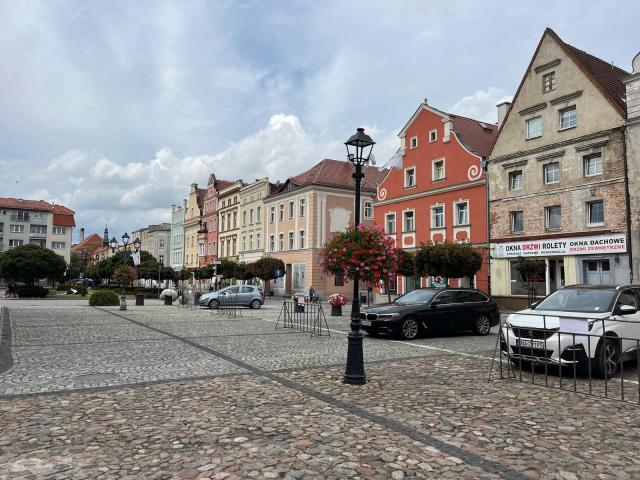
The small town is currently experiencing a tourism boom the likes of which the village hasn’t seen in a long time. Restaurant owners and hoteliers are, of course, very pleased, while local residents feel disturbed. Nearly half of all visitors ask, “Where is Minkowskie Castle?” …
Local residents are already complaining, and even the small inns are suddenly almost fully booked. A well-known restaurant owner is upset:
Word of the treasure hunt has spread both domestically and abroad, and everywhere you look, there are strangers armed with shovels digging holes in the ground…
Until 1945 Breslau, today the metropolis is called Wroclaw
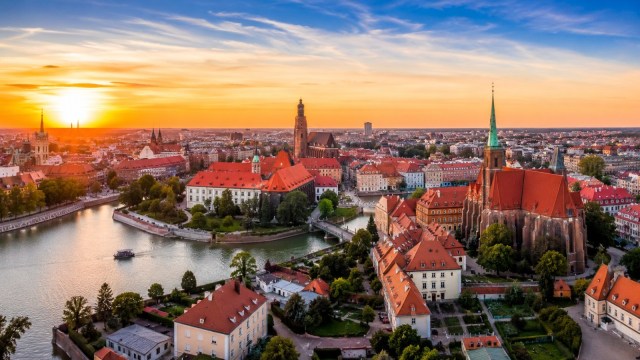
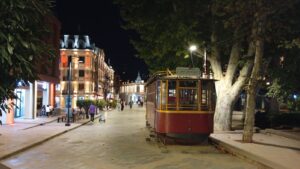
Today, Wrocław is a vibrant, youth-oriented Polish city, celebrated as a cultural and academic hub. Capital of Lower Silesia, it’s known for its stunning, rebuilt Gothic and Baroque architecture, countless bridges across the Oder, and charming dwarf statues. In the past, as Breslau, it was a major German metropolis within Prussia and later the German Reich. Devastated in WWII as a designated fortress, it saw a complete population exchange after 1945.
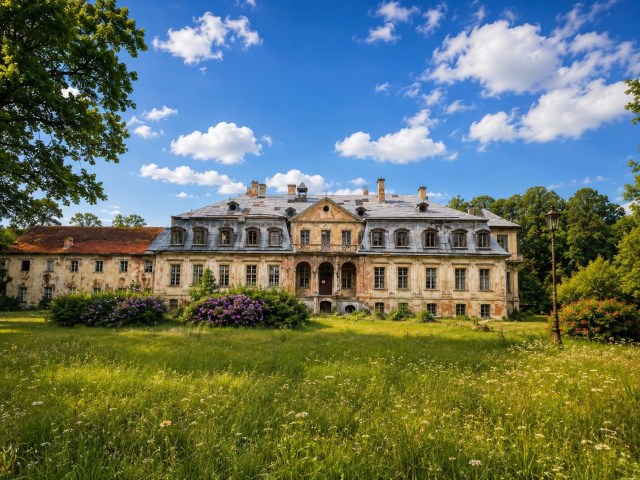
Is Günther Grundmann’s Billion $ Nazi treasure buried at this old Minkowskie Castle?
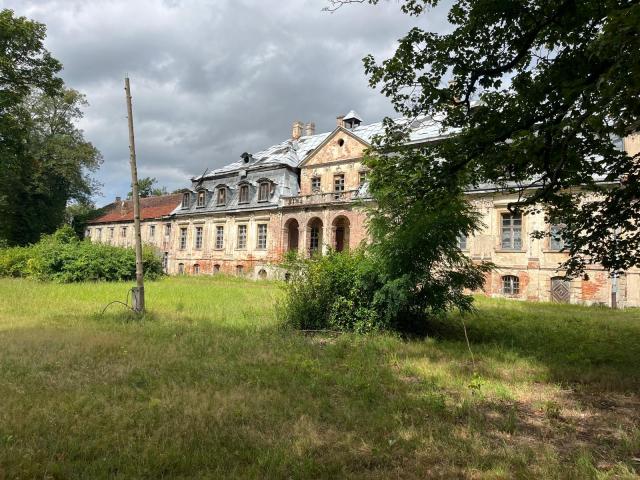
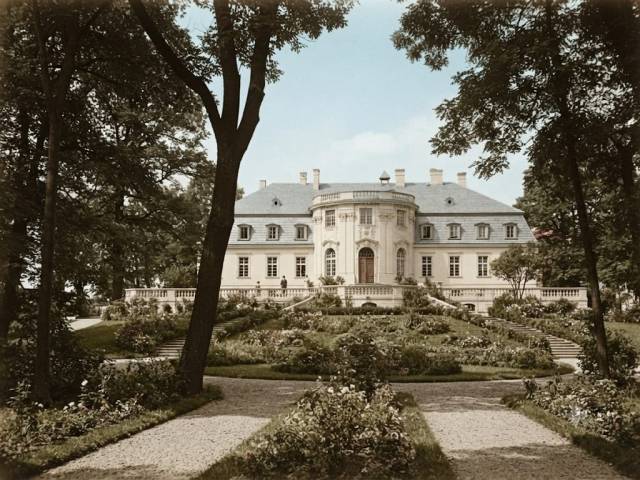
The building is an absolute highlight. Minkowskie (Minkowsky) Castle was beautiful and well known. This magnificent late Baroque structure was built in the 18th century modeled after the famous Sanssouci Palace and can be traced back to the renowned Prussian general Friedrich Wilhelm von Seydlitz (1721–1773).
As a brilliant Prussian cavalry commander, Seydlitz transformed the cavalry into an elite force. His decisive, daring charge at the Battle of Roßbach in 1757—which secured victory for Frederick the Great—was legendary. He managed to drive the Habsburgs out of Silesia despite their overwhelming numerical superiority…
Rumors seem to be proving true that part of the Nazi treasure was buried in the castle’s former orangery
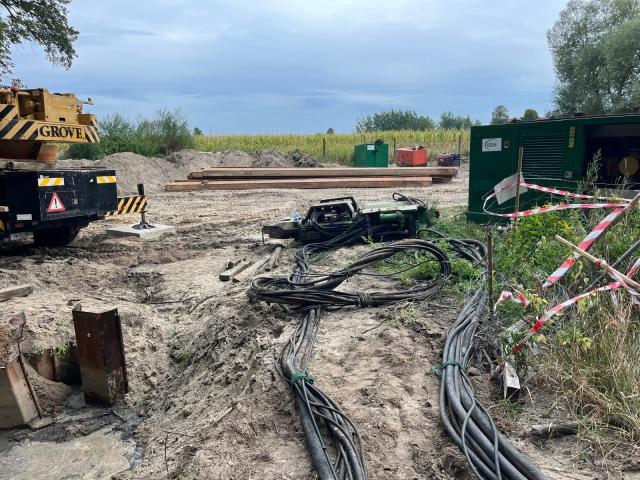
According to experts, the former famous castle building—which has been in ruins since 1945—is the site where the Nazis buried a treasure worth billions. On September 1, 2026, the first portion will be unearthed before the eyes of the world’s press.
Demand for interviews has risen
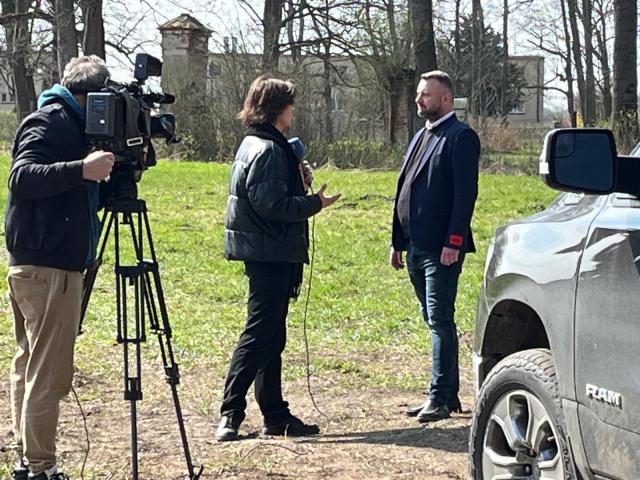
Demand for interviews has risen sharply since the announcement of the treasure recovery on September 1. In any case, the treasure hunt has been a hot topic among historians and even famous television personalities for years. American treasure hunter Josh Gates flew in specifically for this purpose, conducted interviews with key figures associated with the “Deutsch-Schlesische Brücke” Foundation, and was truly impressed by the story…
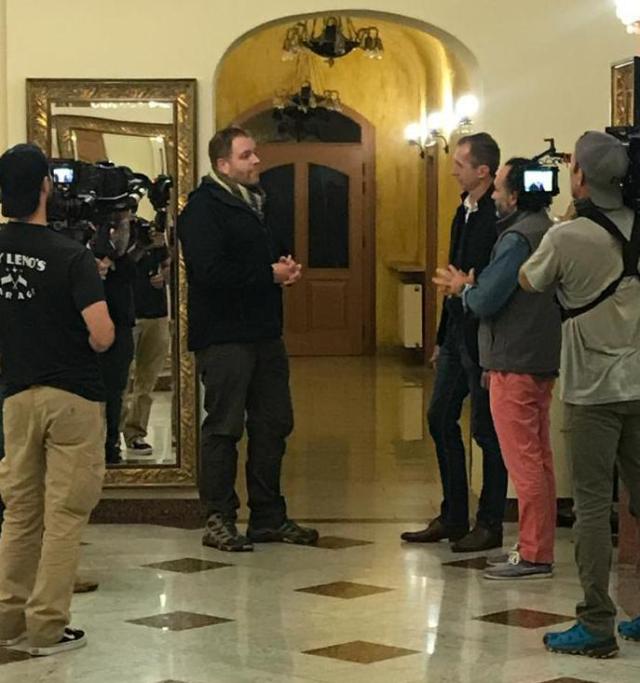
Also the German channel SPIEGEL TV was reporting on Minkowskie Castle
The turmoil of War and a Billion $ treasure
In 1945, the art depots under Günther Grundmann’s supervision spiraled out of control amid the turmoil at the end of the war. Since 1942, Grundmann had had numerous works of art moved to castles, monasteries, and other hiding places. In January 1945, he transported additional collections westward, including to Coburg. However, after his departure from Silesia, the whereabouts of several depots were lost. Some pieces fell into Soviet or Polish hands, while others were looted or remain missing to this day.
A significant portion of the treasure that has been missing since March 1945 appears set to resurface on September 1, 2026. And of all places, in the dilapidated Minkowskie Castle…
Were 48 crates from the Reichsbank in Opole buried here in 1945?
According to the Śląski Pomost Foundation, Minkowskie Castle is said to have been used in 1944–45 as a temporary storage or hiding place for valuables and art. One name is mentioned again and again: Günther Grundmann.
An SS diary found, belonging to an SS officer using the pseudonym Michaelis, and a letter from SS officer Carl von Stein are said to refer to 48 Reichsbank crates and additional family crates that were buried in the castle’s ground… In the dairy this SS officer ‘Michaelis’ mentioned detailed, that 48 crates from the Opole Reichsbank were burried at Minkowski Castle’s orangery.
Who was the most trusted ‘treasure keeper’ in the Third Reich?
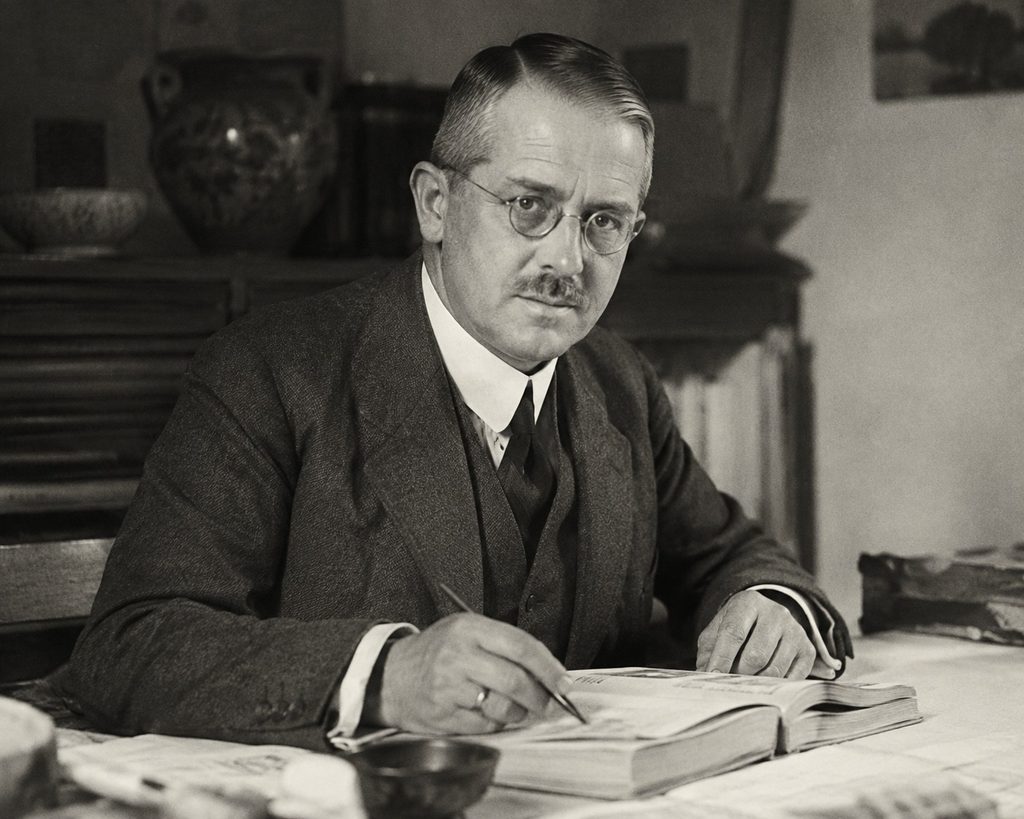
Mr. Günther Grundmann was the Provincial Conservator of Monuments for Lower Silesia, based in Breslau. During World War II, he was also responsible for monument protection in Upper Silesia. From 1942 onward, he organized the evacuation and storage of valuable artworks and cultural treasures in dozens of depots across the region to protect them from bombing and the advancing Red Army. Obviously he was responsible for Minkowskie Castle as one of the hiding spots for the ‘Reichsbank‘ gold and other treasures. The late historian Frank Müller from Rostock said of him 12 years ago:
Although Günther Grundmann joined the NSDAP in 1940, historians have found little evidence that he was a committed Nazi ideologue. Rather, he was a highly influential state monument conservator who operated within the Nazi system while focusing primarily on the preservation and evacuation of cultural treasures.
Former German castles, towns and landscapes
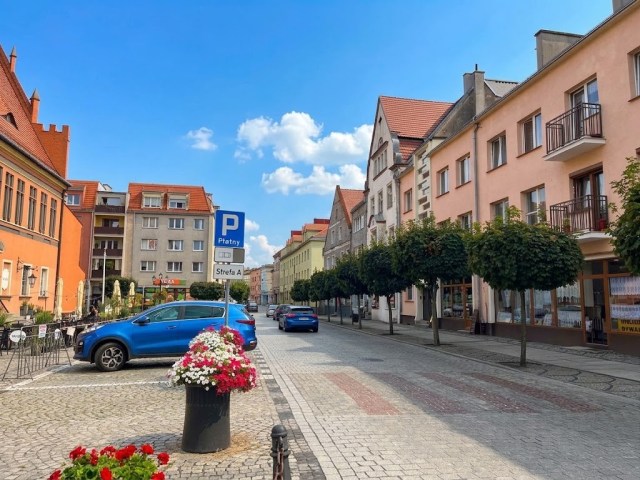
Absolutely, because the well-preserved medieval city wall, fortified towers, and charming old town bear witness to an eventful past. Culture and nature lovers will find here a wonderful blend of Silesian tradition, architectural treasures, and a relaxed rural idyll that invites you to linger and return.
Fancy a journey into German history?
In 2026, Namysłów—the historic Namslau—offers a modest selection of hotels and inns, including traditional establishments such as Polonia, Zorza, and Dworek Różany.
Wrocław, on the other hand, boasts a large and diverse range of accommodations—from charming boutique hotels to international chains and modern city hotels for business and leisure travelers.
Who wrote this post about an exciting treasure hunt and a journey into German history?

Author Oliver said: “The areas around Wrocław featured here offer an incredibly deep insight into (German) history and are ideal for nature friends, the curious… and treasure hunters...”