

 S
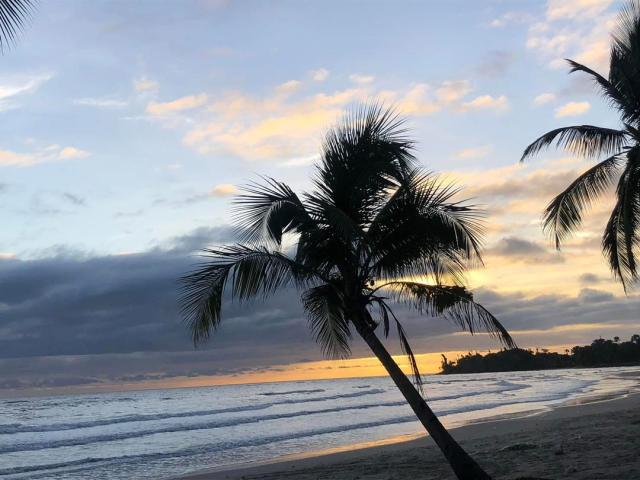
SSanyang has beautiful beaches and a good swimming climate all year round.
What makes Africa's smallest country a successful tourism oasis?
Description of the smallest country in Africa

Besides its expansive, uncrowded beaches along the Atlantic coast, the country offers a unique blend of culture and nature, centered primarily around the majestic Gambia River. Visitors can explore vibrant markets and observe the diverse birdlife in the coastal reserves.

Visitors can easily immerse themselves in the country's history, particularly regarding the transatlantic slave trade. With English widely spoken, Gambia is considered an ideal, safe, and relaxed entry point for travelers seeking an authentic West African experience. For first-time visitors to Gambia, the country will be an exciting blend of cultures.
It is completely different from, for example, the Canary Islands, Turkey, or Morocco, but it has a little bit of all the listed countries to offer…

Gambia: Like a phoenix from the ashes?

The development of the tourism sector since 2020 resembles a dramatic resurrection. After a record year in 2019 with around 235,000 international visitors, the COVID-19 pandemic led to a massive collapse in 2020, with only about 89,000 arrivals.
Dependence on tourism: Gambia's number one economic factor

This corresponded to a 66 per cent decline in tourism revenue, which hit the country, heavily dependent on tourism, hard economically; in April 2020, travel came to a complete standstill at times. The recovery was slow at first, but by 2022, life had noticeably returned with 183,000 visitors. In the 2023/2024 season, a full recovery to pre-crisis levels was finally achieved with over 230,000 guests.
2023/24: Pre-crisis level with more than 230,000 holidaymakers

Gambia is focusing on a strategic realignment for the future. Forecasts for the 2025 season are optimistic and point to further growth, earning the country recognition from the UNWTO as one of the fastest-growing destinations after the pandemic. More eco-lodges and more quality tourism, and greater biodiversity conservation!

What does the future hold for Gambia's travel industry?
The Gambia Tourism Board (GTBoard) is now focusing more on "quality tourism" and sustainability instead of mass tourism. Furthermore, it is aiming to diversify its markets: in addition to traditional source countries such as Great Britain and Germany, new markets such as Poland – facilitated by direct flight connections – as well as regional tourists from other African countries are being targeted to reduce seasonal dependence.
What is the security situation in Gambia?
This is a very relevant question if you intend to travel to West Africa. The security situation in Gambia is generally considered relatively stable, especially compared to many neighboring countries in the wider region. Violent crime against tourists seems to be rare. However, petty theft does occur. So be careful with expensive items; don't leave them lying around in plain sight, for example, on the beach or by the hotel pool.
Southern Senegal is considered critical.
This is the main danger in the region. The Casamance (southern part of Senegal, south of Gambia) has been experiencing a secessionist conflict for decades. The southern border region between Gambia and Senegal is classified as a high-risk area by most foreign authorities. Travel to this area, away from the coast and main routes, should be avoided.
How do you travel to Gambia?

Most travelers arrive via direct flights from European hubs such as Brussels or Barcelona, although direct connections from Germany still have room for improvement. Despite minor challenges, such as the still-developing environmental protection and waste separation systems, as well as entry and exit fees, the overall conclusion remains positive: Tourism in Gambia has not only overcome the global crisis but is using it as an opportunity for strategic development.

Vision Gambia 2030
By 2030, Gambia presents itself as a mature "boutique destination," having successfully transformed from a purely budget travel destination to a sustainable, high-quality, and ecotourism destination. The infrastructure is modernized; an expanded airport and reliable internet now attract increasing numbers of digital nomads and international investors, while the hinterland along the Gambia River flourishes as a natural paradise.
More Europeans in Gambia?

Yes, if things continue as they are. The country has excellent climatic conditions and more than 4,000 hours of sunshine per year. However, comprehensive coastal protection measures are necessary to defend the beaches against potential weather extremes.

The population needs to understand that trees are humankind's friends. This isn't yet clear to everyone in Africa's smallest country. More environmental projects, more nature conservation. There are many conservation projects underway, for example, to create more mangrove forests. Economically, the country has diversified and, in addition to tourism, is increasingly focusing on services and agricultural processing, without losing its charming character as the "Smiling Coast."

It is likely that significantly more Europeans and Germans will live in Gambia. The weather and overall conditions make the country attractive for investment. While Europe could become a dangerous place to live due to political incompetence, living conditions for Europeans in Gambia are quite appealing.
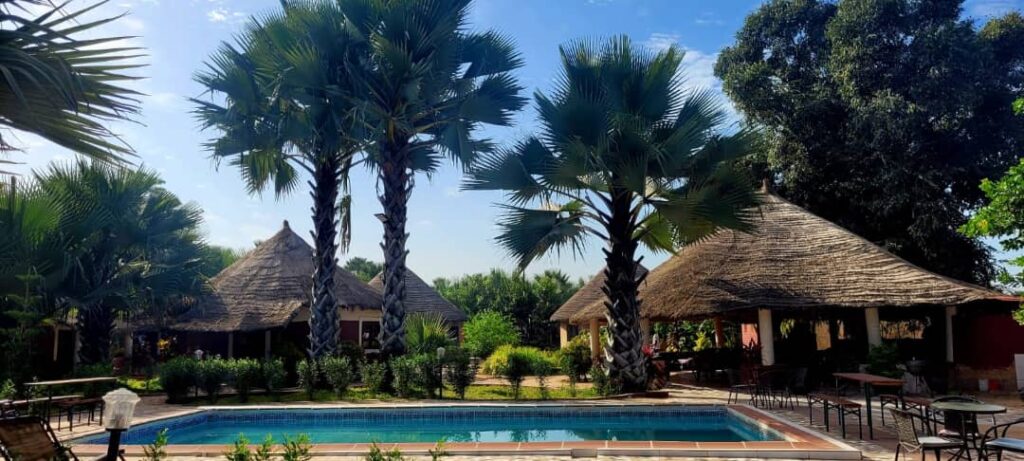
Afroopolis Eco Lodge has become a true institution, and the brand has become synonymous with the good life in Africa. Several properties have transformed into community-like spaces for digital nomads and investors.

Living and working in Gambia?

There are many advantages to this small West African country. Austrians, Germans, and Swiss should consider emigrating to Gambia because of its year-round warm climate, low cost of living, and welcoming, English-speaking population. The author of this article has also decided to do so and has purchased one of these round houses.
What does the international press say about Gambia?
Leading US B2B Tourism Platform
or