

This stretch runs from the southern border of The Gambia down to the border with Guinea-Bissau. It measures roughly 105 kms in a straight line along the Atlantic
Tucked away in the lush south of Senegal, separated from the rest of the country by The Gambia, the region of Casamance feels like a world of its own.
With its palm-fringed beaches, winding rivers, rice fields and vibrant Diola culture, Casamance offers a softer, greener and more intimate side of West Africa — far from mass tourism and polished resort strips.
So, is it worth visiting? Absolutely — if you are looking for authenticity, nature and genuine encounters.
The very different face of Senegal

At the Atlantic coast of the southern area of Senegal ....
While northern Senegal is defined by the Sahel and Atlantic trade winds, Casamance is lush and tropical. The mighty Casamance River shapes the landscape, branching into mangrove-lined waterways that are best explored by canoe or small motorboat.
The regional capital, Ziguinchor, is relaxed and colorful, with colonial-era traces, lively markets and a creative spirit. From here, travelers venture deeper into villages where traditional impluvium houses — unique to the Diola people — still stand as symbols of community and heritage.
Casamance feels less rushed than other parts of West Africa. Life moves to the rhythm of fishing boats, rice cultivation and evening gatherings under the palms.

Casamance: ... is a lovely part of Africa...
Senegal's forgotten but beautiful south
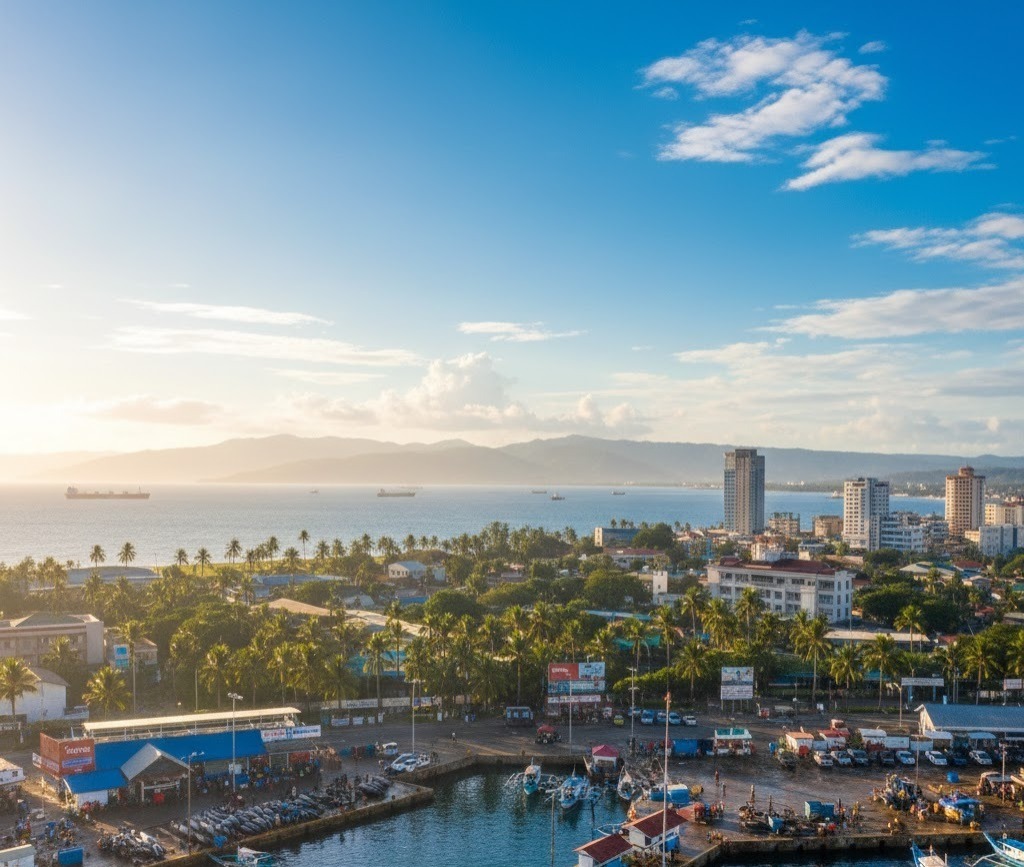
If your idea of paradise includes wide, empty beaches and warm Atlantic waters, head toward Cap Skirring. This small seaside town boasts some of the most beautiful beaches in the region: golden sand, swaying coconut palms and spectacular sunsets.

Some parts of the Casamance region are rarely visited/touched...
Unlike heavily developed coastal destinations elsewhere, Cap Skirring remains low-rise and relaxed. Boutique hotels, ecolodges and family-run guesthouses dominate the scene. You can walk for kilometers along the shoreline without encountering more than a handful of other travelers.
Nature, Culture and Authentic Encounters
 Western coast of Africa
Casamance is not just about beaches. Inland, red dirt roads lead to villages surrounded by cashew trees and rice paddies. The region’s strong Diola identity is expressed through music, dance and agricultural traditions that have endured for generations. Boat excursions through the mangroves reveal a rich ecosystem of birds and marine life. Community-based tourism initiatives allow visitors to stay in village camps, offering direct support to local families and a deeper understanding of daily life.
 Casamance region has an incredible biodiversity, here a 200-year-old giant tortoise on its way to the Atlantic Ocean
The atmosphere is warm and welcoming. Visitors often speak of spontaneous invitations, shared meals and meaningful conversations — experiences that transform a simple trip into something more personal.
Practical Considerations
Reaching Casamance has become easier in recent years. Domestic flights connect Dakar with Ziguinchor, and overland travel via The Gambia is also possible. Infrastructure is steadily improving, while the region remains peaceful and increasingly stable after years of low-level tensions in the past.
For travelers seeking large-scale entertainment, luxury shopping or nightlife, Casamance may feel too quiet. But for those who value authenticity, slow travel and natural beauty, it offers something rare.
 Sunset at Casamance region
The Verdict
Yes, Casamance is worth visiting — especially for travelers who have already explored classic West African routes and are searching for something deeper and less commercial. It is a destination of understated charm: warm Atlantic breezes, mangrove sunsets, smiling villagers and cuisine shaped by sea and soil. Casamance does not shout for attention — it invites you quietly, and rewards those who come.
Information:
Agence Sénégalaise de Promotion Touristique (ASPT)
Here, beach life blends naturally with local fishing culture. In the morning, brightly painted pirogues return with the day’s catch — a perfect prelude to an afternoon of grilled fish and fresh tropical juices.